


Управляемая медитация для снятия стресса, тревоги и эмоциональных переживаний.
Базовая практика осознанной медитации: дыхание для микромедитации
Пожалуйста, следуйте схеме: вдохните, задержите дыхание и медленно выдохните.
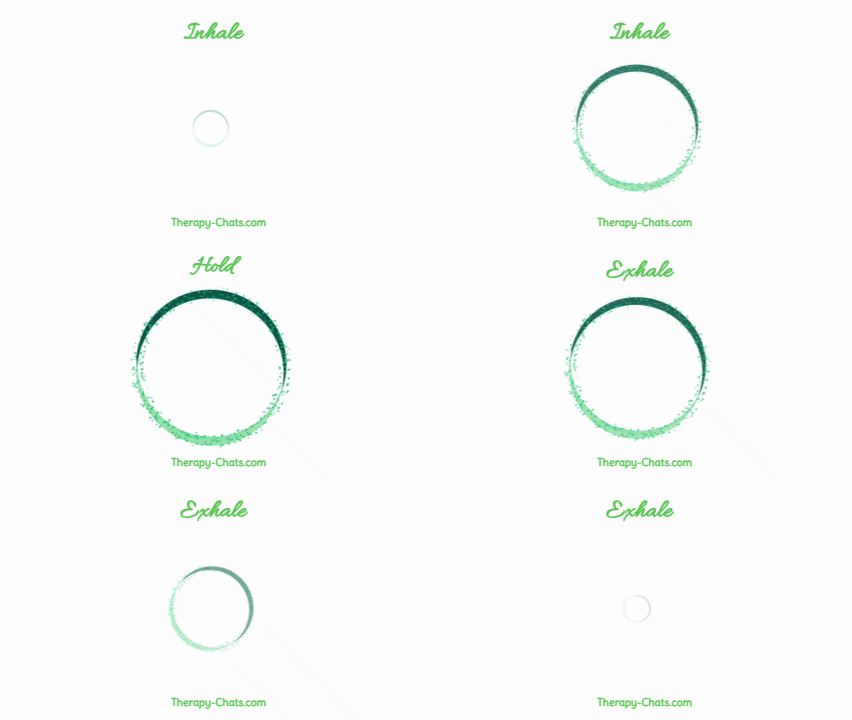
Готовы ли вы снять стресс и напряжение?
Remark: Not a replacement for professional therapy or medical advice.
Часто задаваемые вопросы о медитации: наука и практика.
1. Что же такое медитация?
Медитация — это не «остановка мыслей» или «очистка разума». Это практика умственной тренировки, предназначенная для регулирования нервной системы и тренировки внимания.
Представьте это как «тренажерный зал для вашего мозга». Подобно тому, как вы поднимаете тяжести для укрепления мышц, медитация использует определенные техники — такие как сосредоточение на дыхании, сканирование тела или повторение мантры — для укрепления вашей способности концентрироваться, противостоять отвлекающим факторам и управлять эмоциональной реактивностью. Исторически уходящая корнями в древние традиции (такие как Випассана), она сейчас широко используется в клинической психологии для лечения стресса и тревоги.
2. Каковы доказанные преимущества медитации?
Исследования таких учреждений, как Harvard Health и APA, подтверждают, что регулярная практика медитации может привести к измеримым физиологическим изменениям:
-
Снижает уровень стресса (кортизола): Медитация снижает уровень кортизола, основного гормона стресса в организме.
-
Уменьшает размер «центра страха»: МРТ-сканирование показывает, что медитация может уменьшить размер миндалевидного тела (части мозга, отвечающей за реакцию «бей или беги»), делая вас менее восприимчивым к раздражителям.
-
Улучшает эмоциональную регуляцию: Медитация укрепляет связь с префронтальной корой, что позволяет принимать более взвешенные решения и контролировать импульсы.
-
Снижает кровяное давление: Медитация активирует парасимпатическую нервную систему («режим отдыха и пищеварения»).
-
Улучшает концентрацию внимания: Медитация улучшает концентрацию внимания и уменьшает «блуждание мыслей», которое часто связано с несчастьем.
3. В чём разница между медитацией и осознанностью?
Хотя эти термины часто используются как синонимы, между ними есть существенная разница:
-
Медитация — это формальная практика. Это акт выделения времени (например, 10 минут), чтобы сесть, закрыть глаза и выполнить определенное упражнение для тренировки ума.
-
Осознанность — это результат или качество бытия. Это способность быть полностью присутствующим и осознавать то, что вы делаете прямо сейчас — моете ли вы посуду, гуляете или разговариваете — без осуждения.
-
Аналогия: Медитация — это тренировка; осознанность — это сила, которую вы несёте с собой в течение всего дня.
4. Нужно ли мне «очищать свой разум», чтобы правильно медитировать?
Нет. Это самый большой миф о медитации. Цель не в том, чтобы иметь пустой ум; цель в том, чтобы замечать, когда ваш ум отвлекается, и мягко возвращать его к вашей точке опоры (например, к дыханию).
Каждый раз, когда вы замечаете отвлекающий фактор и возвращаете внимание, вы делаете «повторение» для своего мозга. Мысли во время медитации — это нормально; практика заключается в возвращении, а не в тишине.
5. Как медитация изменяет мозг? (Нейропластичность)
Медитация использует нейропластичность — способность мозга к самоорганизации. Исследования показывают, что у людей, практикующих медитацию длительное время, увеличивается плотность серого вещества в гиппокампе (отвечающем за память и обучение) и префронтальной коре (отвечающей за самоконтроль). По сути, медитация физически перестраивает мозг, делая его более спокойным и устойчивым к стрессу.
6. Сколько времени мне нужно медитировать, чтобы увидеть результаты?
Не обязательно медитировать целый час. Исследования показывают, что даже 10-15 минут в день могут привести к заметным изменениям уровня стресса и концентрации внимания всего за 8 недель. Последовательность важнее продолжительности. Лучше медитировать 5 минут каждый день, чем 60 минут раз в неделю.